Profit turnaround gives insurer a platform to expand into industrial, specialty and retail coverage
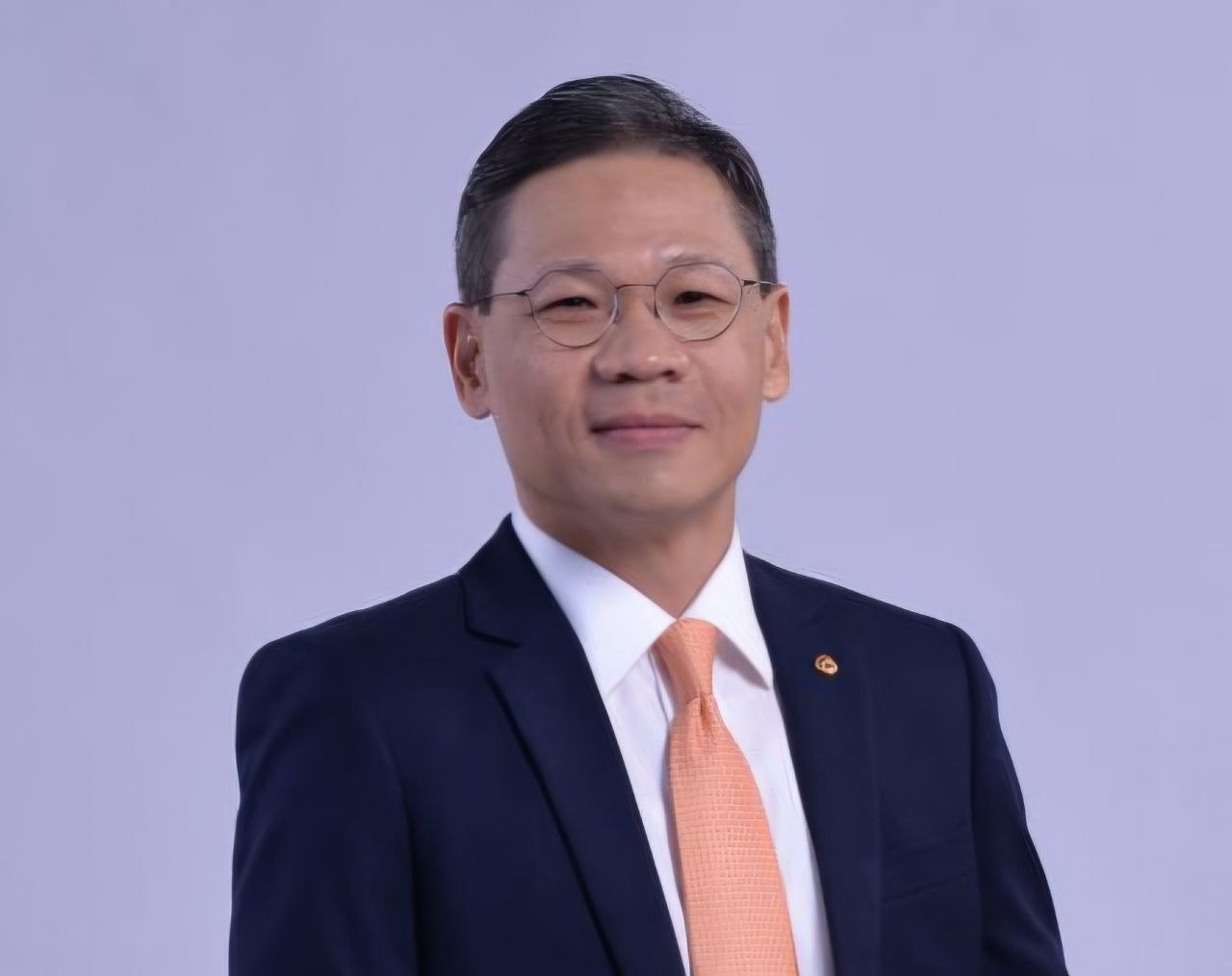
Lippo General Insurance is targeting a place among Indonesia’s top five general insurers within three to five years, after an overhaul under controlling shareholder Hanwha Insurance turned its loss-making health business into its biggest earnings contributor.
“Our priority is not simply to grow in size or improve our ranking,” LGI President Director Agus Benjamin said in a recent interview with The Korea Herald. “We want to achieve sustainable growth based on the profitability-focused strategy we have maintained since the Hanwha acquisition.”
LGI ranked ninth among Indonesia’s 69 general insurers in 2025, commanding a market share of about 3.5 percent. Gross written premiums reached a record 4 trillion Indonesian rupiah ($225.8 million).
The insurer joined Hanwha Group in June 2023, when Hanwha Life Indonesia and Hanwha Insurance acquired a controlling stake. Hanwha Insurance became its largest shareholder in December 2025 after buying additional shares from Hanwha Life Indonesia, lifting its stake to 61.5 percent.
Since joining Hanwha, LGI has shifted its priority from expanding sales to improving the quality and profitability of its portfolio.
“We had two primary objectives,” Benjamin said. “First, we wanted to restore profitability by improving the health insurance portfolio, which had been loss-making. Second, rather than making abrupt changes, we prioritized a smooth transition by maintaining organizational and management continuity.”
Hanwha's risk management expertise was combined with LGI's local market knowledge to tighten premium and renewal management, claims control and portfolio selection. Following portfolio improvements in 2023 and 2024, health insurance has since become LGI's biggest profit contributor.
In 2025, health insurance generated 292 billion rupiah in insurance service profit, offsetting losses in other lines. LGI posted overall insurance service profit of 121 billion rupiah and pretax profit of 169 billion rupiah.
With health insurance restored to profitability, LGI is now seeking to broaden its earnings base.
Before joining Hanwha, LGI's property portfolio largely covered conventional fire risks such as shopping malls, residences and hospitals within the Lippo Group ecosystem. It has since expanded into larger industrial risks including power plants, chemical facilities and steel mills.
"Our strategy is to selectively expand into high-quality industrial risks while carefully balancing profitability and risk," Benjamin said.
LGI also plans to expand specialty insurance products including directors and officers liability, cyber and marine cargo insurance. For trade credit insurance, it plans to work with global credit insurer Coface, initially targeting Korean companies operating in Indonesia.
Another potential growth channel lies within Hanwha's expanding financial network in Indonesia, where the group has built a presence spanning banking, life and general insurance, securities and asset management.
LGI plans to expand bancassurance through Nobu Bank and explore cross-selling and joint customer development with Hanwha Life Insurance Indonesia, alongside potential cooperation with Ciptadana's securities and asset management businesses.
"These partnerships are not simply about selling more products," Benjamin said. "They are about expanding customer access and responding more comprehensively to customers' financial needs."
Beyond corporate insurance, LGI is laying the groundwork for a longer-term expansion into retail and individual insurance, as Indonesia's low insurance penetration leaves considerable room for growth.
The country's general insurance market grew by about 9.5 percent annually between 2020 and 2025, while general insurance penetration remains at only around 0.5 percent of gross domestic product.
"Our business-to-consumer business is still at an early stage, so we will build our products, distribution channels and customer base gradually," Benjamin said, pointing to middle- and upper-middle-income consumers as potential target groups.
"Rather than limiting ourselves to a specific segment or product at this stage, we will refine our strategy based on market demand and growth potential."
jwc@heraldcorp.com